
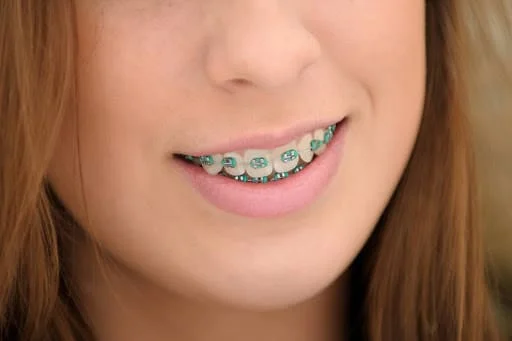
Common Problems with Traditional Braces and How to Fix Them
Key Takeaways
- Traditional braces are highly effective for correcting alignment and bite issues but may come with minor, temporary discomforts.
- Common braces issues include soreness, irritation, loose brackets, poking wires, and difficulty cleaning.
- Most problems can be easily managed at home with simple solutions like orthodontic wax, saltwater rinses, and proper oral hygiene.
- Avoiding hard and sticky foods helps prevent damage to brackets and wires.
- Consistency with elastics and regular orthodontic visits is essential to keep treatment on track.
- Contact your orthodontist if you experience severe pain, broken appliances, or signs of infection.
Traditional braces are one of the most effective ways to straighten teeth and correct bite problems. They’ve helped millions of people achieve healthier, more confident smiles. However, like any orthodontic treatment, they can come with a few challenges along the way. Understanding common braces issues and knowing how to fix them can make your treatment smoother and more comfortable.
At Elite Orthodontics, patients across Arizona receive personalized orthodontic care designed to minimize discomfort and keep treatment on track. Let’s explore the most common problems with traditional braces and what you can do about them.
Understanding Traditional Braces
Traditional braces use metal brackets attached to the teeth and connected by wires and elastic bands. These components work together to gradually move teeth into proper alignment. They are highly effective for correcting:
- Crowded teeth
- Gaps between teeth
- Overbites and underbites
- Crossbites
- Open bites
While braces are extremely reliable, patients often experience minor braces issues during treatment. The good news? Most are manageable and temporary.
What Causes Braces Problems During Treatment?

Braces issues are a normal part of the orthodontic process and usually happen as your teeth and mouth adjust to treatment. Understanding the causes can help you prevent discomfort and avoid delays.
-
Teeth Movement Pressure
Braces apply continuous pressure to shift teeth into proper alignment, which can lead to temporary soreness, especially after adjustments.
-
Appliance Friction
Brackets and wires may rub against the cheeks, lips, or tongue, causing irritation, particularly in the early stages of treatment.
-
Food Damage
Eating hard, sticky, or crunchy foods can bend wires or loosen brackets, leading to common braces issues that require repair.
-
Poor Oral Hygiene
Plaque and food particles can build up around braces, increasing the risk of cavities, gum inflammation, and staining.
-
Adjustment Appointments
Routine tightening and wire changes are necessary for progress but can temporarily increase sensitivity and discomfort.
-
Soreness After Adjustments
The Problem
After getting braces placed or tightened, it’s normal to feel pressure or soreness. This happens because your teeth are beginning to shift into new positions.
The Fix
- Take over-the-counter pain relievers as directed.
- Eat soft foods like yogurt, soup, mashed potatoes, or smoothies for a few days.
- Rinse with warm salt water to soothe irritation.
Discomfort usually fades within 3–5 days. If pain lasts longer, contact your orthodontist.
2. Irritated Cheeks and Lips
The Problem
Brackets and wires may rub against the inside of your cheeks and lips, especially when braces are new. This is one of the most common braces issues patients experience early in treatment.
The Fix
- Apply orthodontic wax over rough brackets or wires.
- Use a saltwater rinse to promote healing.
- Avoid touching irritated areas with your fingers.
Your mouth will gradually adjust, and irritation will become less frequent over time.
3. Loose or Broken Brackets
The Problem
Hard, sticky, or crunchy foods can loosen or break brackets. Accidental bumps during sports can also cause damage.
The Fix
- Cover any sharp edges with orthodontic wax.
- Do not attempt to glue or fix the bracket yourself.
- Call your orthodontist to schedule a repair appointment.
Wearing a mouthguard during sports and avoiding restricted foods can prevent many braces issues related to breakage.
4. Poking Wires
The Problem
Sometimes a wire can shift and poke the back of your cheek, causing discomfort.
The Fix
- Use orthodontic wax to cover the sharp end.
- If necessary, gently push the wire back with a clean pencil eraser.
- Contact your orthodontist if the irritation continues.
Prompt attention helps prevent sores from developing.
5. Difficulty Keeping Teeth Clean
The Problem
Braces create small spaces where food and plaque can collect. Without proper cleaning, this can lead to cavities, gum inflammation, or white spots on teeth.
The Fix
- Brush after every meal using a soft-bristle toothbrush.
- Use floss threaders or a water flosser daily.
- Attend regular dental cleanings.
Maintaining excellent oral hygiene significantly reduces long-term braces issues and keeps your smile healthy throughout treatment.
6. Food Restrictions and Dietary Challenges
The Problem
Traditional braces require avoiding certain foods, including:
- Hard candies
- Popcorn
- Caramel
- Nuts
- Chewy or sticky snacks
Eating restricted foods is a common cause of braces issues like broken brackets or bent wires.
The Fix
- Choose soft foods when possible.
- Cut fruits and vegetables into smaller pieces.
- Avoid biting directly into apples or corn on the cob.
Following dietary guidelines protects your braces and keeps treatment on schedule.
7. Elastic Band Discomfort
The Problem
Rubber bands (elastics) are often used to correct bite alignment. Some patients forget to wear them or experience mild soreness.
The Fix
- Wear elastics exactly as instructed.
- Replace them daily to maintain proper tension.
- Expect temporary discomfort as your bite adjusts.
Consistency is key to avoiding delays in treatment.
How to Handle a Braces Emergency at Home
While most braces issues are minor, some situations may feel urgent. Knowing how to manage them at home can provide quick relief until you can see your orthodontist.
- Loose or Broken Bracket
If a bracket becomes loose, leave it in place and cover it with orthodontic wax to prevent irritation. Avoid touching or trying to fix it yourself, and schedule a repair visit. - Poking or Protruding Wire
Use orthodontic wax to cover the sharp end. If needed, gently push the wire into place using a clean pencil eraser. If the discomfort continues, contact your orthodontist. - Lost or Broken Elastic Bands
Replace elastics as soon as possible using the extras provided. Consistent wear is important to keep your treatment on track. - Severe Discomfort or Soreness
Rinse with warm salt water and take over-the-counter pain relief if needed. Stick to soft foods until the discomfort improves. - Mouth Sores or Irritation
Apply orthodontic wax to problem areas and use a saltwater rinse to promote healing. Most irritation will improve as your mouth adjusts.
If you experience severe pain, swelling, or a completely detached appliance, contact your orthodontist right away for professional care.
Alternatives to Traditional Braces That May Reduce These Issues
If you want to straighten your teeth while minimizing common braces problems, several alternatives are available:
- Clear Braces
Similar to traditional braces but with tooth-colored or clear brackets, making them less noticeable and often causing less irritation. - Self-Ligating Braces
These braces use a specialized clip instead of elastic bands to hold the wire, reducing friction, discomfort, and the need for frequent adjustments. - Invisalign®
Removable clear aligners that gently shift teeth into place. Because they can be taken out for eating and cleaning, they reduce issues like trapped food, irritation, and broken brackets.
Each option offers a more comfortable, low-maintenance orthodontic experience while still providing effective results. A consultation with your orthodontist can help determine the best fit for your smile and lifestyle.
Our Services at Elite Orthodontics
At Elite Orthodontics, patients receive comprehensive orthodontic solutions designed to make treatment comfortable and effective.
Traditional Braces
This service provides customized treatment plans for patients of all ages. The team carefully monitors progress at regular appointments to minimize braces issues and ensure optimal results.
Damon™ Clear 2 Braces
For patients looking for a more discreet option, Damon Clear 2 braces offer self-ligating technology that may reduce friction and require fewer adjustments compared to conventional braces.
Both services are tailored to individual needs, helping patients achieve straighter smiles with confidence.
When to Contact Your Orthodontist
While most braces issues are minor, you should contact your orthodontist if you experience:
- Severe or prolonged pain
- A completely detached bracket
- A wire causing significant injury
- Swelling or signs of infection
Prompt care prevents complications and keeps your treatment moving forward.
Frequently Asked Questions
1. How long do braces hurt after tightening?
Soreness usually lasts three to five days. Soft foods and mild pain relievers can help during this time.
2. What happens if a bracket breaks?
Call your orthodontist to schedule a repair. Leaving a broken bracket untreated may delay your progress.
3. Can I play sports with traditional braces?
Yes, but always wear a protective mouthguard to prevent injury and damage.
4. How do I prevent stains while wearing braces?
Brush thoroughly after meals, avoid sugary drinks, and keep up with professional cleanings.
5. Are braces issues normal during treatment?
Yes, minor discomfort and occasional appliance adjustments are completely normal. Most problems are temporary and manageable.
6. Can braces damage teeth?
Braces themselves do not damage teeth. However, poor oral hygiene can lead to cavities, gum inflammation, or white spots. Proper brushing, flossing, and regular dental visits help prevent these issues and keep your teeth healthy during treatment.
Your Smile Journey Doesn’t Have to Be Uncomfortable
Traditional braces are a powerful and reliable way to transform your smile. Although braces issues can happen from time to time, they are typically easy to manage with proper care and professional support.
At Elite Orthodontics, our experienced team is committed to making your orthodontic experience as smooth and stress-free as possible. We provide personalized care, advanced technology, and clear guidance so you always know what to expect.
Schedule Your Consultation Today
If you’re experiencing braces issues or considering orthodontic treatment, don’t wait. Contact Elite Orthodontics today to schedule your consultation. Led by Dr. Nathan Davis, our team will evaluate your smile, answer your questions, and recommend the best treatment option for your needs.
Let us help you achieve a straighter, healthier smile with expert care you can trust. Your confident smile starts here.
Tags: common problems, traditional braces