ELITE ORTHODONTICS. ACCESSIBILITY STATEMENT

ELITE ORTHODONTICS. is committed to facilitating the accessibility and usability of its website, https://www.eliteorthoaz.com/, for everyone. ELITE ORTHODONTICS. aims to comply with all applicable standards, including the World Wide Web Consortium's Web Content Accessibility Guidelines 2.0 up to Level AA (WCAG 2.0 AA). ELITE ORTHODONTICS. is proud of the efforts that we have completed and that are in-progress to ensure that our website is accessible to everyone.

If you experience any difficulty in accessing any part of this website, please feel free to call us at (623) 439-5522 or email us at [email] and we will work with you to provide the information or service you seek through an alternate communication method that is accessible for you consistent with applicable law (for example, through telephone support).

Braces 101: Everything You Need to Know Before Getting That Perfect Smile

Braces 101

What if braces could be the simple step to transform your smile and boost your confidence? For many, braces might feel like a mix of excitement and hesitation, but they’re more than just wires and brackets. They’re a path to healthier teeth, a better bite, and the kind of smile that lights up a room.

Braces aren’t just for kids anymore—people of all ages are jumping on board, from teenagers eager for straighter teeth to adults finally getting the smile they’ve always wanted. And with so many options available today, from traditional braces to nearly invisible aligners, it’s easier than ever to find the right fit for your lifestyle.

Understanding the process is key to making the journey smoother and less intimidating. Whether you’re just curious or seriously considering them, this Braces 101 guide will walk you through everything you need to know to take that first step confidently.
Braces 101

Understanding Braces

When it comes to braces, knowing how they work and the options available can help you feel more confident about starting the journey.

How Braces Work

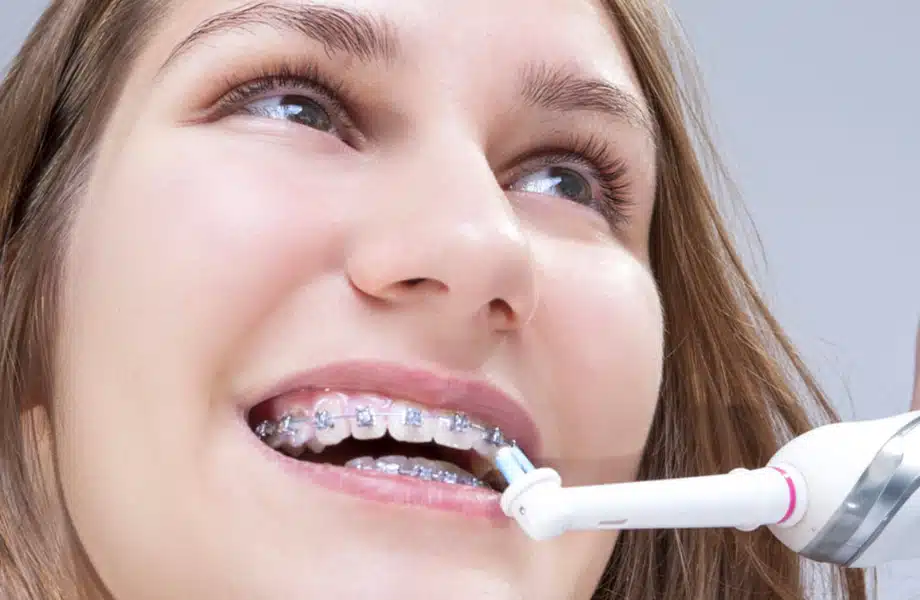
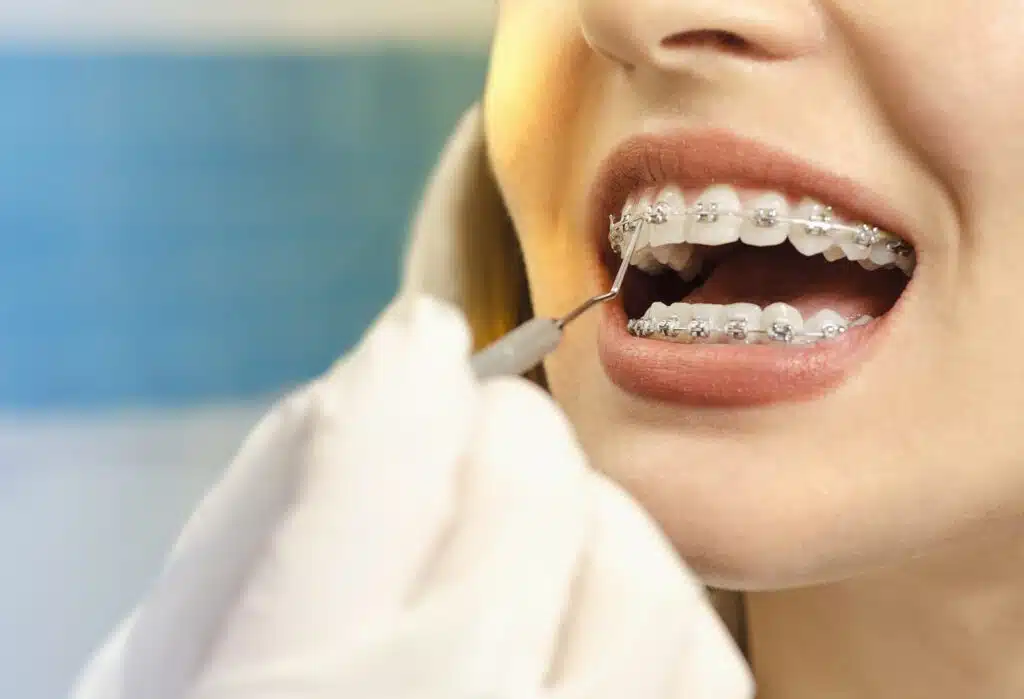
Each part of the braces plays a role in this process. The brackets are small pieces that are bonded to your teeth, and they hold the archwires in place. The archwires are what apply the actual pressure, while elastics or rubber bands are sometimes added to adjust the movement further. Together, these components gradually reshape your smile with precision.

Types of Braces

Today’s braces aren’t one-size-fits-all. Here are four popular options:

  1. Metal Braces
    • These are the classic braces most people recognize. They’re strong, effective, and able to tackle a wide range of alignment issues. While they’re more noticeable, they get the job done efficiently.
  2. Ceramic Braces
    • These braces work like metal ones but are made from a tooth-colored material that blends in better. They’re perfect for anyone who wants a less obvious option without losing effectiveness.
  3. Lingual Braces
    • If keeping your braces hidden is a priority, lingual braces are a great choice. These are attached to the back of your teeth, making them invisible from the front. They may take a little time to adjust to but are ideal for those focused on aesthetics.
  4. Clear Aligners (e.g., Invisalign)
    • These removable plastic trays are nearly invisible and allow for more freedom with eating and cleaning. They’re best suited for people with mild to moderate alignment needs.

Benefits Beyond Aesthetics

Braces don’t just make your teeth look good—they also make them healthier. Proper alignment reduces the risk of cavities and gum disease by making your teeth easier to clean. A straighter smile can also improve your bite, making it easier to chew and even improving speech clarity in some cases.

With so many options and benefits, braces truly are an investment in both your oral health and your confidence.

The Process of Getting Braces

Getting braces isn’t as complicated as it might seem—it’s a straightforward process that starts with planning and ends with a confident smile.

Initial Consultation

Your journey begins with a visit to the orthodontist. During this first appointment, they’ll take a close look at how your teeth are aligned, how your jaw fits together, and whether your bite needs adjustment. To get the full picture, they’ll use tools like X-rays, photos, and molds of your teeth. This helps them create a personalized plan to give you the best results.

The Day of Installation

On the day your braces go on, the orthodontist will start by giving your teeth a thorough cleaning. Once they’re completely dry, they’ll place small brackets on each tooth using a special adhesive. These brackets act as the foundation for the braces.

Next comes the archwire—the thin wire that connects all the brackets. This wire is gently threaded through the brackets and secured with tiny elastics. In some cases, additional rubber bands may be added to guide the teeth into position. The entire process usually takes about 1-2 hours, and you’re officially on your way to a straighter smile!

Adjustments and Follow-ups

Braces work gradually, so you’ll need to visit your orthodontist every 4-6 weeks for adjustments. These appointments are quick but essential. The orthodontist will tighten the wires, change elastics, and ensure your teeth are moving as planned. It’s normal to feel mild discomfort for a day or two after these adjustments, but it’s all part of the process.

Treatment Duration

Most people wear braces for 18-24 months, but the exact timeline depends on factors like how misaligned your teeth are and how well you follow your orthodontist’s advice. Skipping appointments or not wearing recommended elastics can extend the treatment time, so staying on track is important.

Every step of the braces journey brings you closer to a healthier, more confident smile. With patience and care, the results will be worth it!

Living with Braces

Adjusting to life with braces takes a little effort, but the right habits can make the process much easier and even enjoyable.

Daily Care Routine

Taking care of your teeth is even more important when you have braces. Brushing and flossing regularly help prevent plaque buildup and keep your gums healthy. Use a soft-bristle toothbrush and fluoride toothpaste to clean around the brackets and wires.

Flossing might feel tricky at first, but tools like floss threaders or water flossers make it much easier. These are designed to slide between your teeth and braces without causing damage.

When it comes to food, a few small changes can make a big difference. Avoid hard, sticky, or chewy snacks like caramel, popcorn, and nuts since they can break brackets or get stuck in your braces. Instead, go for softer foods like pasta, yogurt, or bananas that are gentler on your teeth.

Dealing with Discomfort

It’s normal to feel some soreness after getting braces or during adjustments, but you don’t have to suffer through it. Orthodontic wax can protect your cheeks and lips from rubbing against the brackets. For soreness, over-the-counter pain relievers, a cold compress, or a simple saltwater rinse can bring quick relief.

Protecting Your Braces

If you play sports, a mouthguard is your best friend. It protects both your teeth and braces from unexpected hits or falls. And if something does break—a bracket comes loose or a wire pokes out—don’t wait. Call your orthodontist right away to fix the issue and keep your treatment on track.

Social and Emotional Adjustment

It’s natural to feel self-conscious when you first get braces. But remember, you’re not alone—millions of people wear braces every year. Focus on the end goal: a healthy, confident smile. If you feel awkward, try sharing your experience with friends or family. Embracing the process can help boost your confidence while you adjust.

Living with braces doesn’t have to be overwhelming. A little care, patience, and positive thinking will take you far on your journey to a perfect smile!

Alternatives to Traditional Braces

If traditional braces don’t feel like the right fit for you, there are plenty of other options available that can still help you achieve a straighter smile. Here are some of the most popular alternatives:

Clear Aligners

Clear aligners, such as Invisalign, have become a favorite for many people. These custom-made trays are removable, nearly invisible, and easy to maintain. Since they don’t have brackets or wires, you can enjoy your favorite foods without worrying about damage. They’re also simple to clean and allow you to brush and floss your teeth as usual. However, they’re best suited for mild to moderate alignment issues, so they may not work for everyone.

Dental Veneers

If you’re looking for a quick way to improve the look of your teeth, veneers might be the answer. These thin shells cover the front surface of your teeth, creating a perfect appearance without actually moving your teeth. Veneers are ideal for fixing small gaps, discoloration, or minor imperfections, but they don’t address functional alignment issues.

Lingual Braces

Lingual braces work just like traditional metal braces, but with one key difference—they’re attached to the back of your teeth, making them almost impossible to see. They’re a great option for anyone who wants discreet treatment. Keep in mind, though, that they may be harder to clean and take some time to get used to.

Self-Ligating Braces

These braces look similar to the traditional kind but use a special clip system instead of elastic bands to hold the wires in place. This reduces friction, which can make adjustments faster and more comfortable. They’re a solid choice for anyone looking for a modern twist on classic braces.

Each option has its pros and cons, so it’s a good idea to talk with your orthodontist to find the best fit for your needs and lifestyle.

Financial Considerations

Let’s face it—getting braces is an investment. Understanding the costs and your payment options can make the process easier to plan for.

Cost of Treatment

Braces can cost anywhere from $3,000 to $8,000, depending on how complicated your case is and which type you choose. Traditional braces are often more affordable, while options like Invisalign or lingual braces may come with a higher price tag.

Insurance Coverage

The good news is that many dental insurance plans cover a portion of orthodontic treatment. Be sure to check your plan’s details, such as annual limits and whether your orthodontist is in-network. This can help lower your out-of-pocket expenses significantly.

Payment Plans

If insurance doesn’t cover everything, most orthodontists offer flexible payment plans. These plans allow you to break down the cost into monthly installments, making treatment more affordable. Don’t hesitate to ask about financing options during your consultation.

Cost-Saving Tips

There are also a few ways to save on braces. If you have a flexible spending account (FSA) or health savings account (HSA), you can use those funds toward your treatment. Some dental schools also offer discounted orthodontic services, so it’s worth exploring options in your area.

Final Thoughts

Braces 101 isn’t just about getting straighter teeth—it’s about building a smile that reflects your confidence, health, and personality. Whether you’re just beginning to explore your options or ready to start treatment, understanding the process, types of braces, and lifestyle adjustments is key to making informed, empowering choices.

At Elite Orthodontics, we’re here to guide you every step of the way. Our experienced team offers advanced orthodontic solutions tailored to your lifestyle—whether you’re interested in traditional braces, clear aligners, or discreet lingual options. We combine expert care with a warm, personalized approach, so you can feel confident and supported throughout your journey.

With flexible financing, modern technology, and a commitment to outstanding results, Elite Orthodontics is more than a clinic—it’s your partner in achieving a smile you’ll be proud to share.

Take the first step today with Elite Orthodontics—because your best smile is waiting.
Braces: What to Expect from Start to Finish

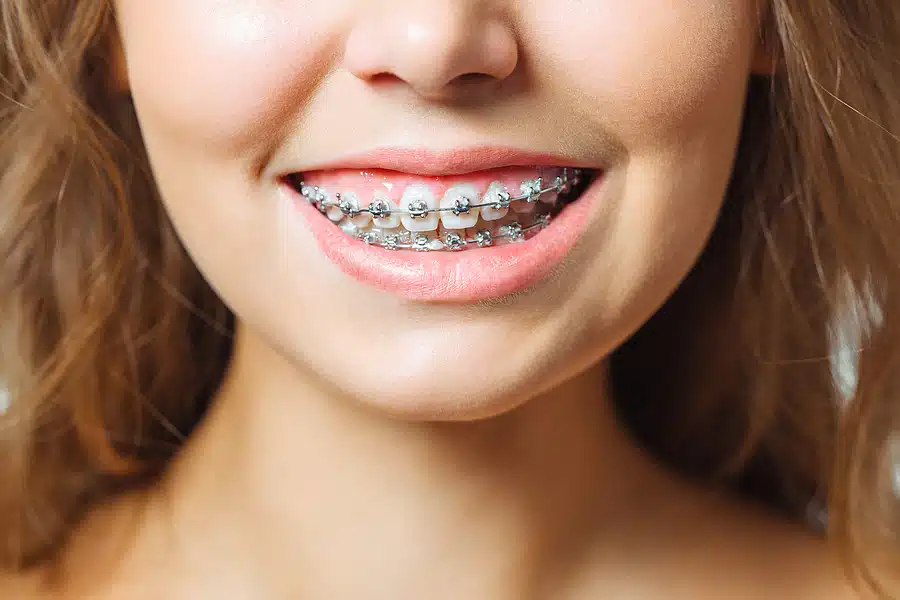
Ever wondered what life with braces is really like? If you’re looking to improve your smile, knowing what to expect in braces can make the whole process smoother and less overwhelming. Braces do more than just straighten teeth—they can also help fix bite issues, make it easier to clean your teeth, and even improve your overall oral health. Today’s braces come in several styles, from classic metal braces to less visible ceramic and lingual options, and even nearly invisible clear aligners. Each choice has its own perks, so there’s an option that can fit your comfort, lifestyle, and look.

Getting braces is a journey, but it’s one that can lead to a healthier smile for life. Whether you’re a teen or an adult, the results of orthodontic treatment can be truly life-changing. Curious to learn how each step works? Let’s take a closer look at what you can expect from start to finish.

Initial Consultation and Assessment

Curious about what happens at your first braces appointment? The initial consultation is all about setting you up for success on your braces journey. During this appointment, your orthodontist will take a close look at your teeth, check how your jaw fits together, and make sure your overall dental health is ready for braces. They’re there to assess what you need, answer questions, and create a plan that’s unique to you.

Next, you’ll likely have X-rays and maybe some teeth impressions taken. These are essential because they let the orthodontist see details that aren’t visible during a regular checkup. X-rays and molds help in mapping out the treatment, so every adjustment they make moves you closer to your new smile. By the end of the visit, you’ll have a clear picture of the process and what to expect, giving you a confident start on your path to straighter teeth.

Choosing the Right Type of Braces

Wondering which type of braces is best for you? There are options to fit different needs and lifestyles, so you can find one that feels right for you.

Traditional Metal Braces 

These are the classic braces with metal brackets and wires. They’re strong, reliable, and great for more complex adjustments. Metal braces do a solid job of straightening teeth, and they come with the option to add colorful bands for a bit of fun at each visit.

Ceramic Braces 

Ceramic braces work similarly to metal braces but are made from a material that blends in more naturally with your teeth. They’re a good choice if you want a less noticeable look, and adults and teens often find them appealing for this reason.

Lingual Braces 

For a more discreet option, ingual braces attach to the back of your teeth, so they’re hidden when you smile. Since they’re custom-made to fit behind your teeth, they can take a little time to get used to, but they offer a more subtle path to a straight smile.

Invisalign and Clear Aligners 

Clear aligners like Invisalign are a great choice if you want flexibility. These removable trays make eating, brushing, and flossing easier and are nearly invisible when worn. Just switch to a new set as instructed, and watch your smile transform comfortably.

Getting Your Braces Applied

Getting braces is a big step, and understanding what to expect in braces application can help you feel more comfortable with the process.

Preparation Process 

To start, the orthodontist will make sure your teeth are completely clean and dry. They’ll use a special cleaner to remove any plaque, which helps the braces bond better. After that, they’ll apply a light coating on your teeth to help the brackets stick securely.

Attaching Brackets 

Once your teeth are prepared, the orthodontist will place small brackets on each tooth. Using a safe dental glue, they’ll bond each bracket in place. While the glue might taste a bit odd, it’s harmless. For added stability, bands may be placed around your molars.

Inserting the Initial Wirex

Next, a thin wire is threaded through each bracket, connecting your upper and lower teeth. This wire starts the process of moving your teeth gently into place. The entire application process takes about one to two hours, and you’ll leave with the first steps to a straighter smile well underway.

Adjusting to Life with Braces

Living with braces comes with a few adjustments, but it’s all part of the journey toward a healthier smile.

Managing Soreness and Discomfort 

Mild soreness is common when braces are first applied or after adjustments, as teeth begin to shift into place. For the first few days, over-the-counter pain relievers, like ibuprofen, are usually enough to bring relief. Eating softer foods—like soups, yogurt, or mashed potatoes—can also help until any tenderness fades.

Initial Cleaning Tips 

With braces, a few extra steps in cleaning can make all the difference. Brushing may take a bit longer, as you’ll need to reach around the brackets and wires carefully. A soft-bristle toothbrush, combined with gentle brushing, works best to avoid gum irritation. Flossing is key, too. Tools like floss threaders or water flossers make it easier to clean between each tooth and bracket. Soon, this new routine will feel like second nature.

Routine Adjustments and Checkups

Routine adjustments and checkups are a key part of what to expect in braces care, ensuring your teeth continue moving as planned. These visits happen every few weeks and give the orthodontist a chance to check how things are progressing and make small changes that keep your treatment on track. By regularly tightening or replacing the wires, these adjustments apply gentle pressure to guide your teeth into their new positions.

The Purpose of Adjustments 

Every adjustment brings you one step closer to your ideal smile. Without these regular tweaks, your progress would slow down, so these checkups are essential. During each visit, your orthodontist might tighten wires, replace elastics, or change out parts of the braces if needed. All of this helps ensure steady movement and alignment of your teeth.

What to Expect During Adjustments 

At each appointment, the orthodontist will evaluate your teeth, make any necessary adjustments, and address any concerns you might have. Changing wires or elastics might cause some mild soreness, but this usually fades within a day or two. These visits help you stay on track, giving you a chance to see gradual progress. With each adjustment, you’re moving closer to the straight, healthy smile you’re working toward.

Oral Hygiene and Braces Care

Oral hygiene becomes extra important with braces to keep teeth healthy and free from plaque. Here’s what to expect in braces care when it comes to brushing and flossing.

Brushing and Flossing Techniques 

Brushing with braces takes a little extra effort to clean around the brackets and wires. Use a soft-bristle toothbrush and angle it to reach the top and bottom of each bracket. Brushing after each meal helps prevent food from getting stuck. Flossing can be tricky, but tools like floss threaders can help. Carefully thread the floss under each wire and gently clean between your teeth to keep gums healthy.

Using Additional Cleaning Tools 

Some additional tools can make cleaning much easier. Water flossers can gently rinse out food particles and bacteria from hard-to-reach places. Proxabrushes, or small interdental brushes, can also fit between brackets and around wires to give a thorough clean. Using these tools daily keeps your mouth fresher and helps prevent buildup.

Avoiding Plaque Buildup and Decay**

Dietary Adjustments

Adjusting your diet while wearing braces helps protect your brackets and wires from damage.

Foods to Avoid 

Certain foods can damage braces, so it’s best to steer clear of sticky, hard, and crunchy items. This includes things like chewing gum, caramel, hard candy, and even crunchy snacks like popcorn. Foods that are tough or sticky can pop brackets off or bend wires, which can delay your treatment.

Safe Alternatives 

You don’t have to miss out on snacks! Try softer foods like yogurt, smoothies, and soft-cooked veggies. For harder foods like apples or carrots, simply cut them into small pieces to make them easier to chew without damaging your braces. With a few changes, you can still enjoy your favorite foods safely.

Regular Dental Appointments

Regular dentist visits are essential even when you have braces. Your dentist will check for any signs of cavities and clean around the brackets to remove plaque that brushing might miss. These checkups are important for keeping your teeth and gums healthy, especially since braces can make it harder to clean thoroughly at home. With your dentist’s help, you’ll keep your oral health in great shape throughout your orthodontic journey.

The Final Appointment and Removing Braces

The day your braces come off is exciting! Here’s what you can expect.

Braces Removal Process 

Removing braces is a simple and gentle process. The orthodontist will carefully take off each bracket and wire, using tools that won’t damage your teeth. Most people feel only a little pressure during this process, and it’s over in just a few minutes.

Initial Results and Final Adjustments

Once the braces are off, your teeth may feel a bit different, and you’ll be able to see your new, straight smile. The orthodontist may also make small adjustments and polish your teeth for the best result. You’ll be amazed at the difference!

Post-Braces Care and Retainers

Keeping your new smile straight requires some simple post-braces care.

Why Retainers are Necessary 

Retainers are essential after braces. They help keep your teeth in their new positions, preventing them from shifting back. Wearing your retainer as instructed is a big part of maintaining your straight smile.

Different Retainer Options 

Retainers come in different styles. You might get a removable retainer that you wear during specific times, or a fixed retainer bonded to the back of your teeth. Each option works to keep your teeth straight, and with consistent use, your beautiful smile will last for years to come.

Final Thoughts on Your Braces Journey

Getting braces is about more than just a beautiful smile—it’s also an investment in your oral health and confidence. Straighter teeth can make it easier to clean and care for your smile, reducing risks of decay or gum problems down the road. By the end of your journey, you’ll have a smile that not only looks great but also supports lifelong health.

Remember, sticking with your post-braces care, especially wearing your retainer, is key to keeping those results. Staying committed to these simple steps will help you enjoy the benefits of your braces journey for years to come.

x

Leave a Review

Display Name
Star Rating
Review
eliteorthoaz